Engineering evidence

Product Development Experience Across Markets and Maturity Stages.

Genuine, publication-cleared artifacts and anonymized experience show how I frame product decisions, develop the mechanical definition, expose risk, prepare manufacturing, and preserve validation boundaries.

Across consumer, prosumer, ergonomic, furniture, home-improvement, electromechanical, industrial, aerospace, and high-reliability hardware, I have repeatedly taken ambiguous product needs through defensible technical decisions and controlled engineering deliverables.

8+ yearsMechanical engineering + product development10,000+ hoursSolidWorks across advanced CAD, surfacing + simulation

Broad product range, repeatable engineering method

The markets change. The difficult mechanical questions repeat.

Across these markets, the recurring work is requirements definition, architecture, packaging, motion, interfaces, thermal and structural behavior, prototype learning, manufacturability, supplier control, inspection, validation, and release discipline.

  • 01Consumer and lifestyle products
  • 02Prosumer equipment
  • 03Furniture and adjustable products
  • 04Ergonomic and human-interface products
  • 05Home-improvement hardware
  • 06Electromechanical equipment
  • 07Industrial equipment and thermofluid systems
  • 08Aerospace and high-reliability hardware

Anonymized representative experience

Specific engineering scope without reducing serious work to object-level project titles.

These statements are evidence-backed and stage-accurate. They describe the work, artifacts, and remaining boundary without identifying a client or publishing a private contract ledger.

01Quote-ready

Platform architecture + supplier controls

Developed shared architecture across a multi-variant mechanical platform, including variant requirements, purchased-component strategy, BOM structure, CTQs, first-article planning, supplier RFQ controls, and production-release gates.

Evidence boundary: Architecture records, BOM, CTQ definitions, inspection planning, and supplier package. Final native-CAD reconciliation and validation closure remained open.
02Prototype-ready

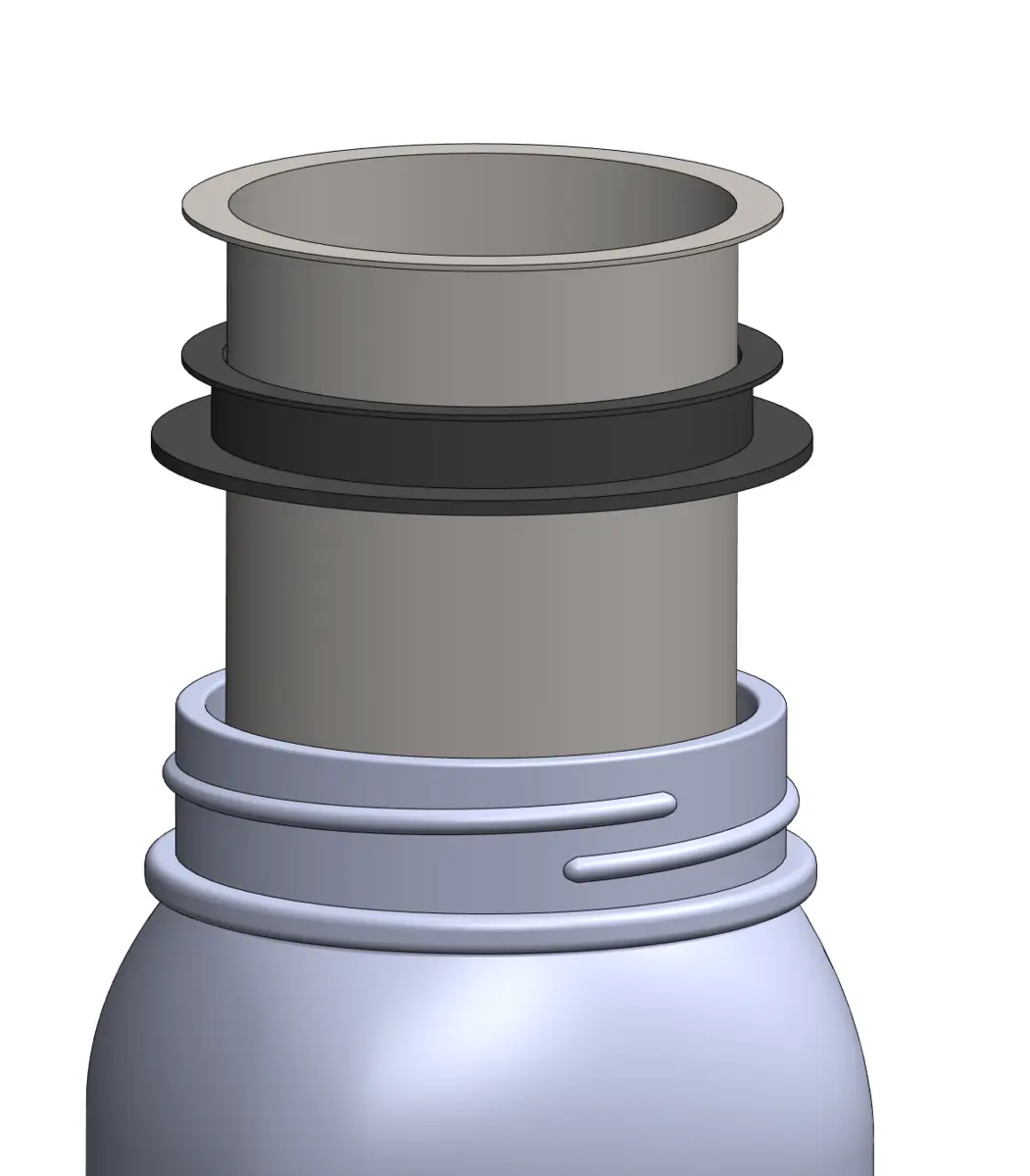
Thermal architecture + controlled revision

Iterated a thermal consumer-product architecture through controlled CAD revisions to resolve containment, sealing, condensation, assembly, service, and user-interaction constraints.

Evidence boundary: Revision-controlled CAD and prototype-manufacturing definition. Measured thermal performance and production readiness are not claimed.

03Manufacturing handoff complete

Electromechanical packaging + handoff

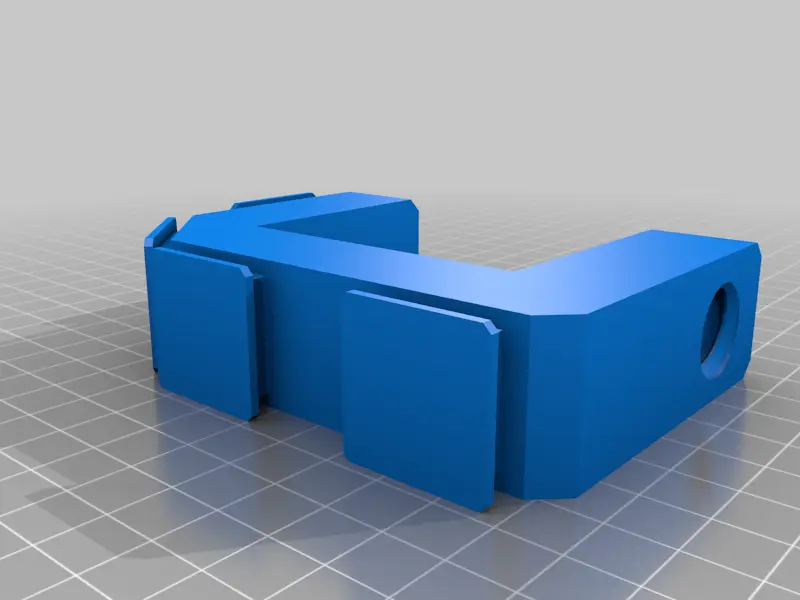
Developed compact electromechanical enclosure and accessory systems around existing controls, thermal interfaces, supplier components, additive-manufacturing files, BOM requirements, and manufacturing handoff.

Evidence boundary: Mechanical CAD, additive files, supplier-component integration, and BOM definition. Existing electronics and firmware were outside the documented ownership boundary.

04Manufacturing handoff complete

Design-intent reconstruction

Converted imperfect physical reference geometry into editable parametric SolidWorks models and neutral manufacturing data through surface reconstruction, geometry repair, thickness control, and fit-interface recovery.

Evidence boundary: Editable master geometry and neutral outputs. Broader product-family and manufacturing-release claims are not made.

05Validation pending

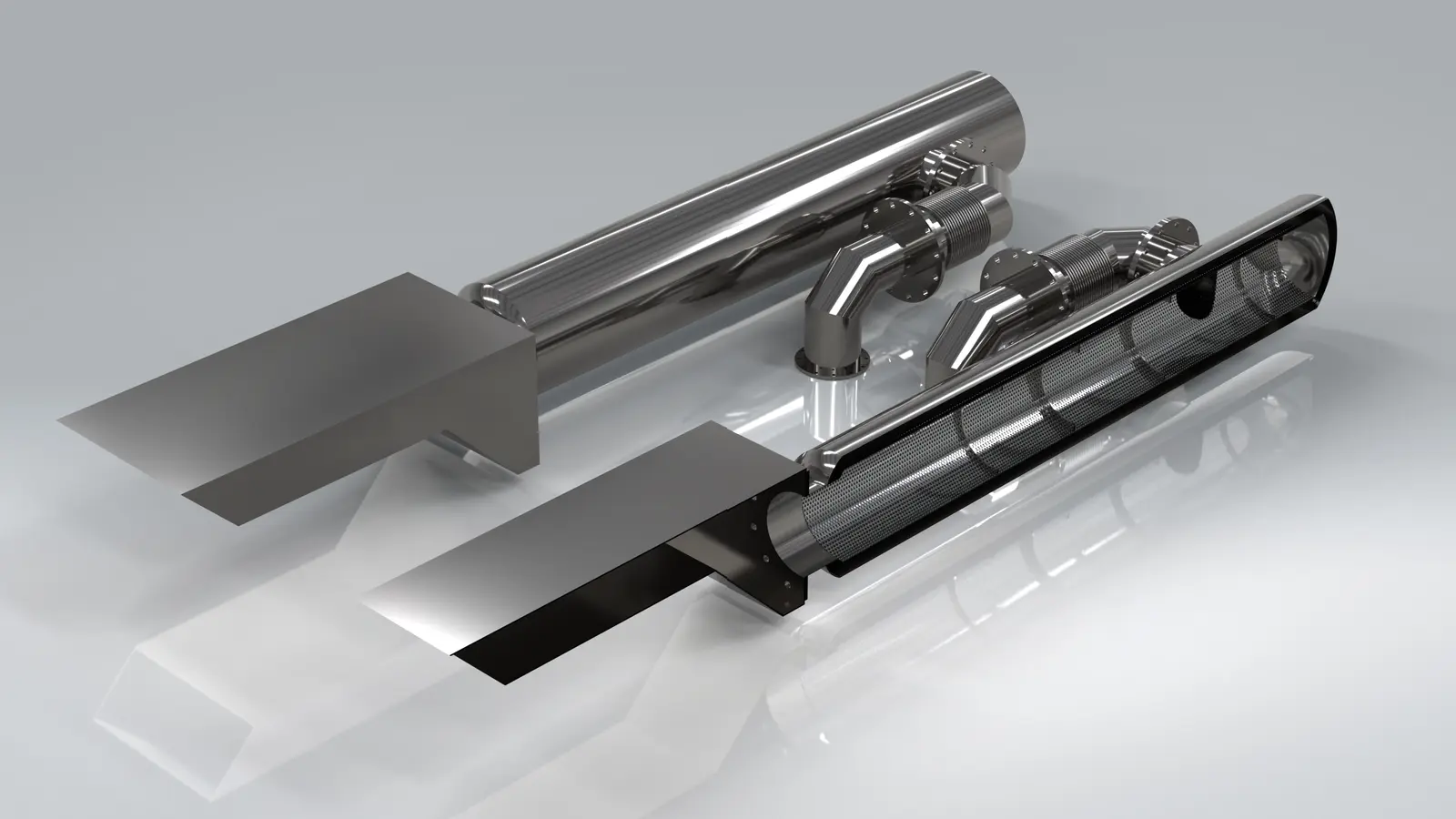
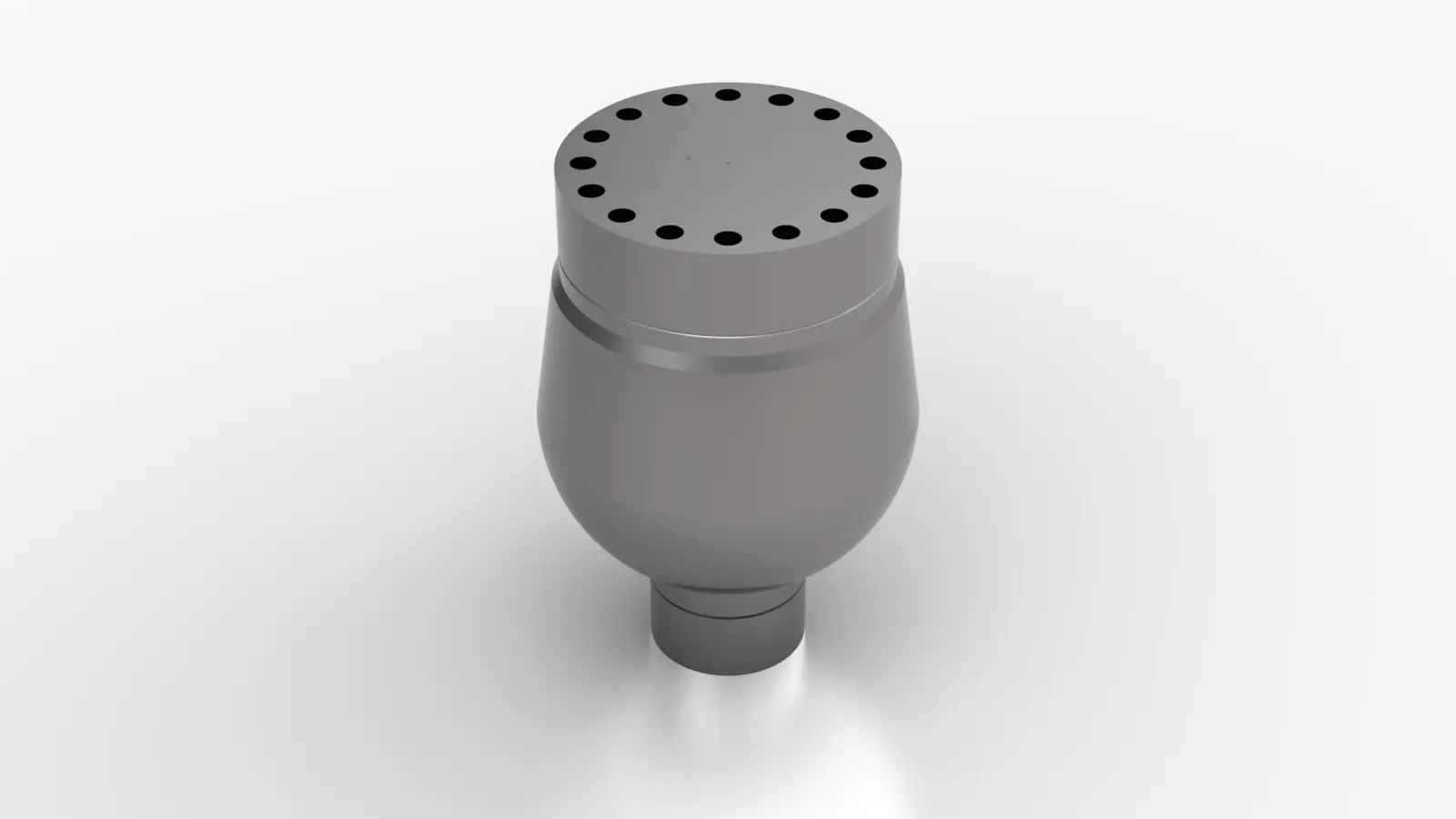
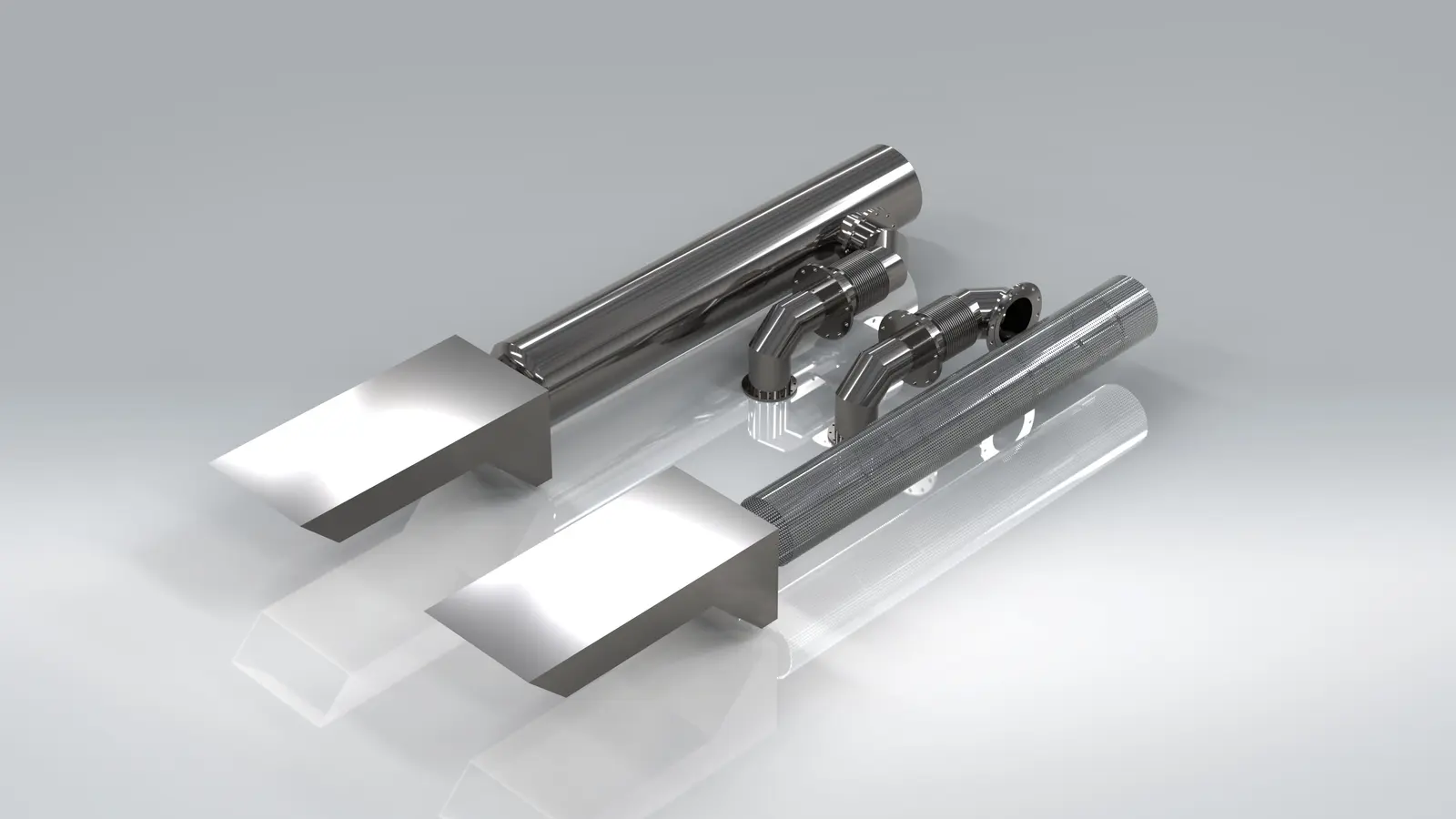
Fabrication-oriented thermofluid development

Produced fabrication-oriented mechanical systems and predictive acoustic and pressure-loss analysis while connecting flow-path geometry to materials, seams, access, drainage, thermal growth, and build sequence.

Evidence boundary: Assembly definition, cutaway review, and predictive analysis package. Field acoustic, pressure, thermal, and durability performance remain unverified.

06Diagnostic result

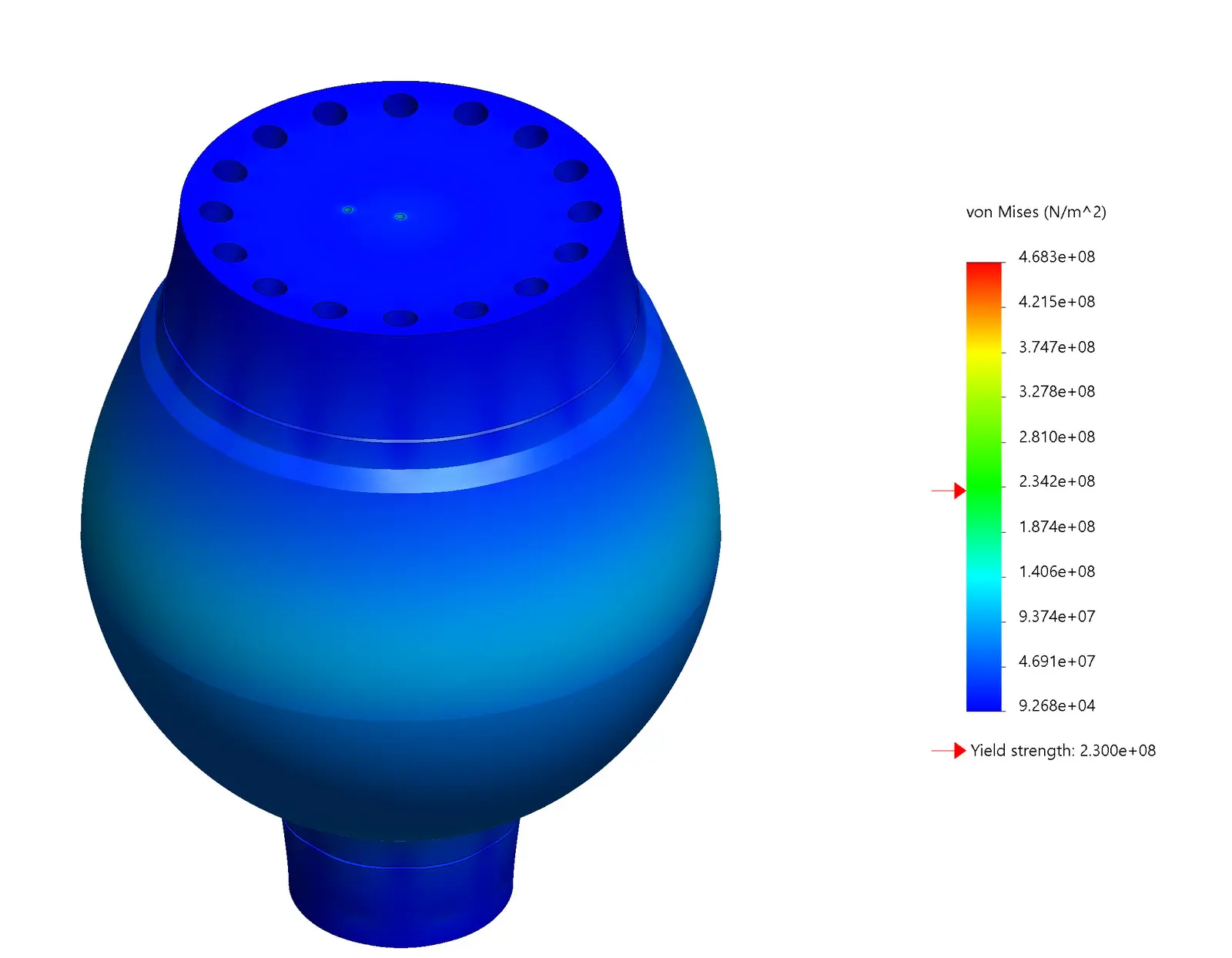
Diagnostic structural analysis

Used high-resolution curvature-based structural models across multiple pressure load cases to identify a nonpassing margin and a suspect material input before unsupported release or compliance conclusions.

Evidence boundary: Diagnostic stress results and input review. The result exposed a problem; it is not evidence of code compliance or a successful physical test.

07In development

Mechanism + adjustment-system development

Developed mechanism and adjustment-system definition by resolving force and motion paths, guidance, holding behavior, tolerance sensitivity, wear, user effort, assembly, and service as one connected problem.

Evidence boundary: Mechanism layouts, parametric CAD, interface definition, and engineering calculations support the scope. Product identity and client-controlled validation records remain private.

08Released

High-reliability hardware development

Developed compact high-reliability hardware using mechanism and packaging design, released engineering definition, structural, modal, shock, and thermal analysis, configuration control, supplier coordination, integration, and test support.

Evidence boundary: Public wording is limited to approved employer-level scope. Employer-controlled programs, images, metrics, and proprietary details remain excluded.

Engineering evidence gallery

Real artifacts, captioned by the engineering function they demonstrate.

These owner-supplied artifacts are anonymized, metadata-stripped, and limited to publication-safe views. Captions state what each artifact supports and what it does not prove.

Typical engineering deliverables

A traceable record that supports decisions, suppliers, validation, and handoff.

01

Definition + architecture

  • Product requirements and use cases
  • Interface definitions and system diagrams
  • Concept alternatives and trade studies
  • First-principles feasibility calculations
  • Risk registers and development plans
02

Mechanical design

  • Parametric SolidWorks parts and assemblies
  • Advanced surfaces and reconstructed design-intent geometry
  • Mechanism, enclosure, structure, thermal-interface, and user-contact definition
  • Revision comparisons and configuration records
  • Neutral manufacturing and additive files
03

Analysis + physical learning

  • Load cases and governing calculations
  • Tolerance analyses
  • FEA, CFD, thermal, vibration, and sensitivity studies
  • Prototype plans and evaluation records
  • Validation plans, fixtures, acceptance criteria, and failure reviews
04

Manufacturing + supplier readiness

  • Materials and process selections
  • DFM/DFA reviews
  • Drawings, GD&T, BOMs, and purchased-component strategy
  • Supplier RFQ packages and technical questionnaires
  • CTQs, first-article criteria, inspection plans, and deviation records
  • Pilot-build support, manufacturing handoff, and controlled corrective actions

Evidence maturity language

Evidence is labeled by what it actually proves.

Public descriptions use consistent maturity terms so concepts, predictions, active development, release, and field evidence are not conflated.

  • Concept
  • In development
  • Prototype-ready
  • Quote-ready
  • DFM-ready
  • Validation pending
  • Diagnostic result
  • Manufacturing handoff complete
  • Released
  • Field-validated

Confidentiality + private portfolio

Detailed evidence without compromising client trust.

Public examples are anonymized and limited to publication-cleared engineering artifacts. Client identities, proprietary geometry, correspondence, pricing, supplier details, source files, and unreleased manufacturing information remain private.

Additional project examples, design artifacts, and confidential work samples are available during qualified employer or client discussions, subject to client permissions and confidentiality restrictions.

For employers

Review the additional evidence appropriate to a qualified role discussion.

Share the role, product context, location expectations, and the engineering ownership the team needs. Additional approved work can be discussed privately.

Request Employer Work Samples

For product teams

Move the difficult mechanical decision forward.

Share the current product stage, available evidence, primary decision or failure, timing, and a concise non-confidential summary.

Discuss a Product Program